

Choosing the precisely correct product is a vital part of the process when installing new flooring, and SPC flooring is no exception. There are a number of different SPC flooring varieties and styles out there, and one of the most important individual factors to be considering here is thickness.
At AWA Kitchen Cabinets, we’re here to offer the best rigid core SPC flooring products you’ll find around Salt Lake City, bringing these durable, waterproof solutions to meet both residential and commercial needs. Here’s an SPC flooring buying guide specific to thickness from our experts, going over the various areas you should be thinking about when deciding on the ideal thickness for your new SPC flooring.
Thickness and Durability
Naturally, one of the top considerations when it comes to the thickness of SPC flooring is durability. The thicker the plank, the more durable it is likely to be over time. This is because a thicker plank can withstand heavier foot traffic and potential impacts better than a thinner one.
Now, this doesn’t mean that thinner planks are not durable at all. In fact, some manufacturers offer thinner SPC flooring options with high-wear layers that can still withstand heavy traffic and potential impacts. It’s just important to keep in mind that thickness does play a role in the overall durability of your flooring.
Waterproof Capabilities
Another key element to factor in when it comes to SPC flooring thickness is the impact on waterproof capabilities. Thicker planks generally have a higher level of water resistance, making them better suited for areas prone to moisture such as bathrooms and kitchens. However, thinner options with specialized coatings can also offer excellent waterproof capabilities.
For instance, some manufacturers offer “ultra-thick” wear layers that can provide a waterproof barrier, even with thinner planks. It’s important to carefully consider your specific needs when selecting the appropriate thickness for your SPC flooring.
Underlayment or Padding
Also worth considering when choosing SPC flooring thickness is the use of underlayment or padding. These layers can add additional support and cushioning to your flooring, as well as provide sound-absorption properties.
In general, thicker SPC flooring may not require an additional underlayment or padding layer, as it already provides enough stability and support on its own. However, for certain projects or preferences, adding a layer of underlayment can add extra comfort and noise reduction.
Installation Method
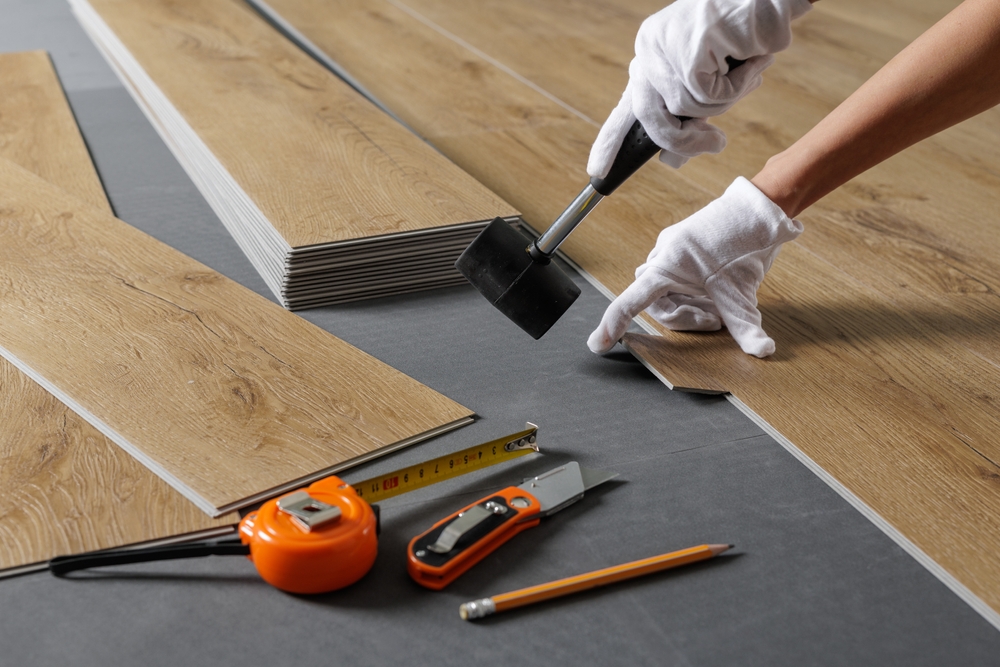
You may also need to factor in the installation method when you’re thinking about which thickness to use for your SPC flooring. If you’re planning to use a click-lock system for installation, then thinner SPC flooring may be easier to install as it requires less force and pressure to lock the planks together. Thicker SPC flooring may require more effort and strength to properly interlock the planks.
On the other hand, if you plan on using a glue-down method for installation, thicker SPC flooring may be better suited as it can provide a stronger bond and stability once adhered to the subfloor.
Design and Aesthetic Considerations
Don’t forget about the design and aesthetic aspect when choosing between thicker or thinner SPC flooring. Thicker SPC flooring typically has more defined embossing and texture, giving it a more realistic look and feel of real hardwood or stone. This can add depth and dimension to your space.
On the other hand, thinner SPC flooring may have less defined embossing and texture, but can still offer a clean and modern look. It also allows for easier customization with different patterns or colors.
Budget and Longevity
And finally, budget and longevity are important factors to consider when choosing between thicker or thinner SPC flooring. Thicker SPC flooring tends to be more expensive due to the additional materials used in its production. However, it also offers better durability and can withstand heavier foot traffic and wear over time.
Meanwhile, thinner SPC flooring may have a lower upfront cost, but it may not last as long as its thicker counterpart. This could lead to needing replacement sooner and potentially costing more in the long run.
As you can see, both thicker and thinner SPC flooring have their own unique advantages depending on your specific needs and preferences. Consider factors such as installation ease, aesthetic appeal, budget, and longevity when making your choice.
And at AWA Kitchen Cabinets, our professionals are here to help you choose the ideal rigid core SPC flooring thickness and style for any project. Contact us today to learn more about our SPC flooring buying guide, or for any of our flooring or kitchen cabinet solutions around SLC!